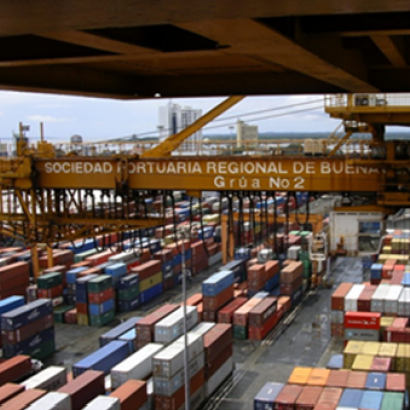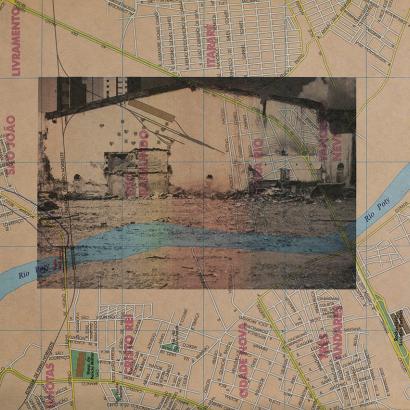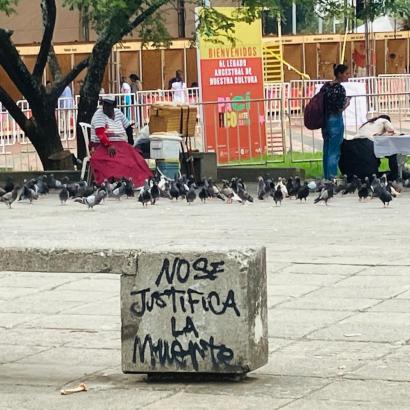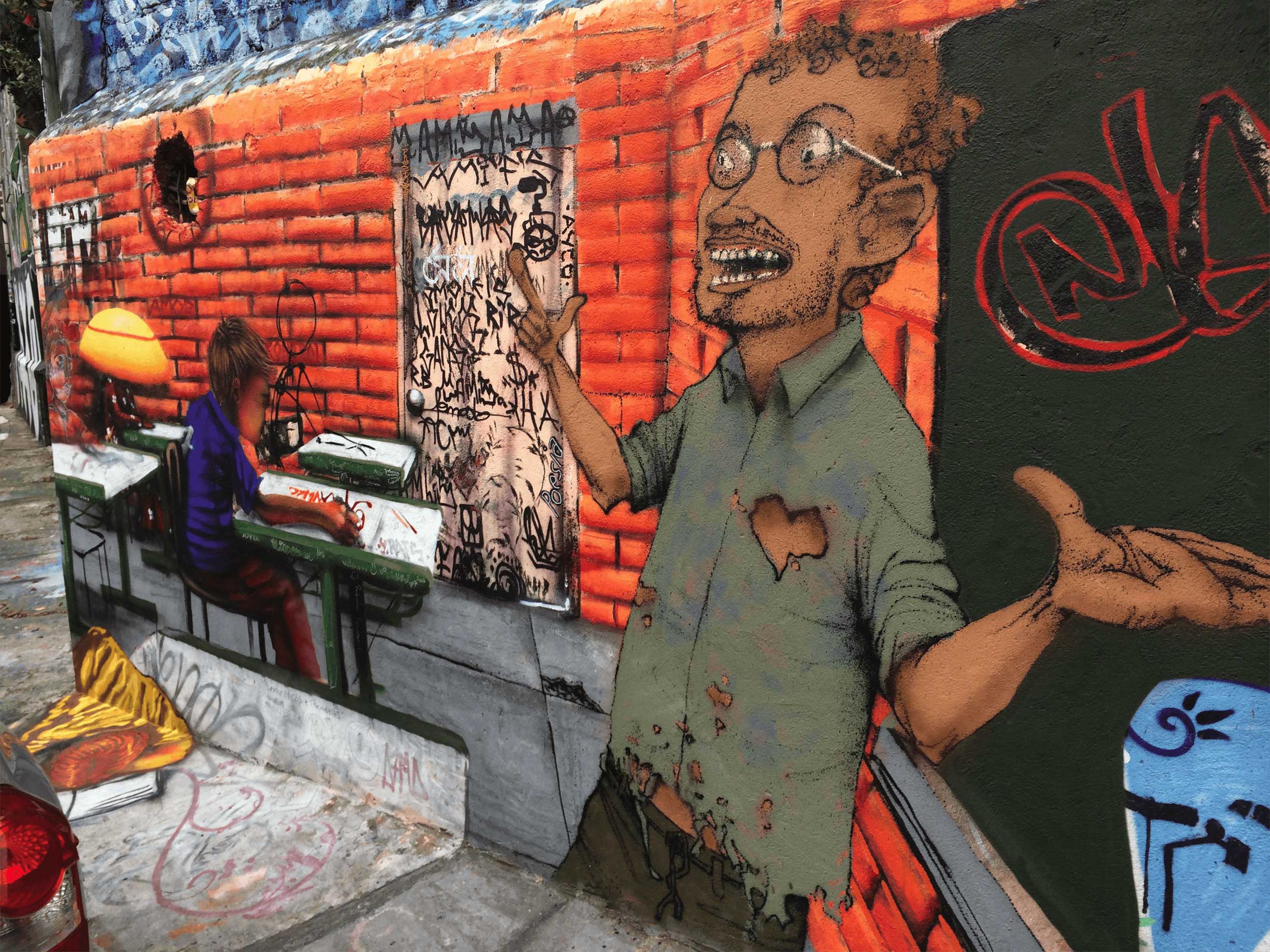
This special issue of the global-e journal unsettles the urban as both a site of injury and refusal. As a privileged locus for organizing inequalities, the city reinforces the citizens/enemies and human/nonhuman divide, reinstating the time/space of the colony. At the same time, attentive to the rebellious impetus of Black urbanity, we are interested in clandestine forms of placemaking that refuse the city as a territory of confinement, dispossession, and death. These refusals may take the form of organized protests against police violence, urban riots against deportation, collective care by aggrieved communities, or even apparently dispersed self-serving practices such as bus fare evasion or a range of illicit economies from drug dealing, selling “loosie” cigarettes, or pirate copies of consumer goods. Much more diverse in scope and creativity, what these practices evince is a proposition on the urban not as an adjective but rather as a field of political struggle. As urban studies scholar Abdul Maliq Simone (2022) contends, the urban is how abolition is lived through an undetermined, not always coherent, set of practices that unsettles the city as ordered spatiality. “These spaces of simultaneous fugitivity, displacement, targeted extraction, and recomposition” make abolition an ordinary practice of inhabiting the city and Blackness as “the urban force” that unleashes both repression and invitation (Simone 2022, 32). The contributors in this series engage with this dual perspective, addressing the questions: what is this “invitation” that urban Blackness represents, and what would that mean to attend to its call? Moving across racialized cityscapes of Brazil, Colombia, and the United States, they help us to understand how the urban reproduces colonial injuries not only through policing, displacement, and extraction, but also through exclusionary definitions of citizenship and humanity that water down the revolutionary potentials of right-to-the-city politics.
Lead Editor - Jaime A. Alvez